

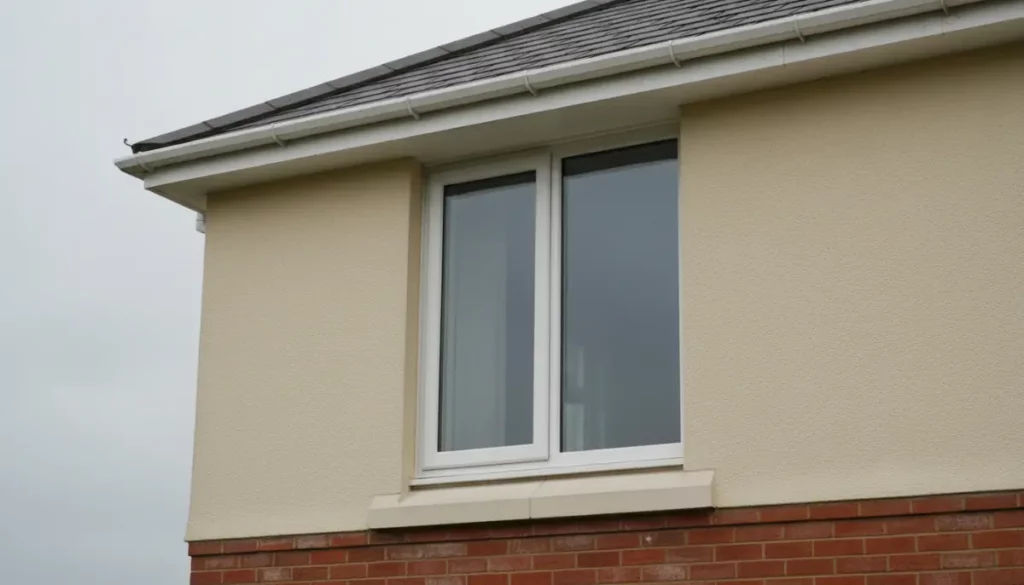
Replacing windows involves a straightforward-sounding choice between double and triple glazing. The reality is more nuanced. Triple glazing costs more to buy, and the energy savings it delivers over double glazing are often smaller than the marketing suggests. Whether it is worth paying extra depends on your property, the orientation of your windows, and what you are trying to fix.
This post compares triple glazing vs double glazing across the measures that actually matter: U-values, heat loss, energy bills, noise, weight, and solar gain. It covers the disadvantages of triple glazing as well as the benefits, and sets out the situations where paying more for triple glazed windows makes genuine sense.
Both options are available from Window Supply Direct as made-to-measure, supply-only units. U-value figures are sourced from Approved Document L of the Building Regulations (England and Wales) and the Glass and Glazing Federation.
How Double and Triple Glazing Work
Both double and triple glazing trap inert gas between panes of glass to slow heat transfer through the window. A single pane of glass does almost nothing to stop heat escaping. Double glazing adds a sealed cavity between two panes of glass, filled with argon gas. Triple glazing adds a third pane, creating two gas-filled cavities instead of one.
The performance measure is the U-value: the rate at which heat passes through one square metre of material for every degree of temperature difference between inside and outside. Lower is better. Under Approved Document L of the Building Regulations, replacement windows in existing homes in England and Wales must achieve a U-value of 1.4 W/m²K or better. For new dwellings, the target is 1.2 W/m²K.
Well-specified double glazed windows typically achieve a whole-window U-value of around 1.2 to 1.4 W/m²K. Triple glazed windows typically achieve 0.8 to 1.2 W/m²K. Both meet current Building Regulations minimums. The gap narrows when double glazing is properly specified with warm edge spacers and a low-emissivity glass coating. That context matters when comparing costs and payback.
What Double Glazing Delivers
Modern double glazing with warm edge spacers, a low-e glass coating, and argon fill can achieve a U-value of around 1.2 W/m²K. That meets both the replacement window minimum and the new-build target under Part L. Efficient windows do not require three panes to perform well within current Building Regulations.
Double glazing also tends to be the practical choice for replacing windows in existing homes because the units are lighter and fit standard frame depths. Timber frames, uPVC window frames, and aluminium frames designed for double glazing do not typically need modification to take a like-for-like replacement. Sash windows and older period properties are particularly worth checking before specifying anything heavier.
According to the Energy Saving Trust, upgrading from single glazing to A-rated double glazing could reduce energy bills by around £135 to £165 per year for a typical semi-detached home. The energy savings from going further, to triple glazing, are real but narrower, and the starting cost is higher.
What Triple Glazing Adds
A triple glazed unit introduces a third pane and a second sealed cavity. The extra layer slows heat loss further, typically bringing the U-value down to 0.8 to 1.2 W/m²K depending on specification. The improvement in thermal efficiency is genuine, and it shows most in cold conditions over a full heating season.
One practical benefit that often gets overlooked is what happens to the inner glass surface. With double glazing in cold weather, the inner pane may feel noticeably cool, and condensation can form on it in poorly ventilated rooms. Triple glazing keeps that inner surface warmer, reducing condensation and making large glazed areas feel less draughty on cold days. This is particularly relevant for bedrooms, kitchens, and south-facing rooms where condensation is a recurring issue.
Triple glazing may also help with external noise, though not as much as people expect. Three panes of glass at the same thickness offer limited acoustic benefit over two. For better noise reduction, the key factors are pane thickness variation and whether laminated glass is used, not simply the number of panes. If external noise is the priority, specifying acoustic or laminated glass within either a double or triple glazed unit is usually more effective than an additional pane alone.
Triple glazing also tends to reduce a property's carbon footprint over time, through lower heat loss and reduced heating demand, though the carbon cost of manufacturing the additional pane and heavier frame should be considered against this.
Where Triple Glazing Makes More Sense
Triple glazing is not a universal upgrade. It delivers the most return in specific situations where the thermal improvement is actually used.
North-facing windows lose heat steadily through winter without any solar gain to offset it. For those openings specifically, the lower U-value of a triple glazed unit reduces heat loss in a way that may be worth the extra cost. The same logic applies to heavily shaded elevations that receive little direct sun regardless of compass direction.
Exposed properties, particularly in northern England, Scotland, or coastal areas, experience colder and more persistent weather than the UK average. The energy savings from better insulation are more consistent in these locations. Triple glazing is standard practice in Scandinavian new builds because the climate demands it. The UK climate is milder, but properties in exposed locations closer to those conditions can benefit similarly.
For new buildings targeting Passivhaus or near-Passivhaus standards, triple glazing is typically required. The fabric energy efficiency targets in these standards sit below what standard double glazing reliably achieves. Replacing windows in an older property is a different calculation, but anyone aiming for significant improvement to their EPC rating as part of a wider retrofit programme may find triple glazing worthwhile on selected elevations.
The Disadvantages of Triple Glazing
The extra pane reduces solar gain. This is passive heat from sunlight entering through the glass, and it contributes meaningfully to reducing heating demand in south-facing rooms during winter. Triple glazing blocks more of it. In a well-oriented home, south-facing windows with good double glazing often deliver better overall energy performance through winter than triple glazing on the same elevation, because the solar heat captured offsets some of the slightly higher heat loss.
The extra weight is a practical problem in many retrofit situations. Triple glazed units are significantly heavier than double glazed equivalents. Timber frames and older uPVC window frames may not be rated for the additional load. Before replacing windows in an existing property with triple glazing, the frame depth, sash weight ratings, and hinge loads all need checking. Sash windows in period properties are particularly unsuitable for triple glazed units without significant modification.
Triple glazing typically costs 15 to 30 percent more than equivalent double glazing, according to the Glass and Glazing Federation. On a whole-house replacement programme for new windows, that premium adds up considerably. The energy savings vs double glazing are real but modest, and the payback period is long, often fifteen years or more, depending on energy costs and how much use the heating system gets. For most UK residential replacements, the carbon footprint and cost case for triple glazing over properly specified double glazing is harder to make.
Cold air draughts and heat loss are more often caused by poor installation or failed seals in older units than by the specification of the glazing itself. Replacing old double glazed windows with new, well-fitted double glazing may deliver more improvement to comfort and energy bills than upgrading to triple glazing in properly maintained frames.
Double Glazing vs Triple Glazing: Direct Comparison
| Feature | Double Glazing | Triple Glazing |
|---|---|---|
| Typical U-value | 1.2 to 1.4 W/m²K | 0.8 to 1.2 W/m²K |
| Building Regulations compliance | Yes (meets 1.4 W/m²K minimum for replacements) | Yes (exceeds minimum) |
| Heat loss | Low with well-specified units | Lower. More consistent in cold or exposed locations |
| Solar gain | Higher. Beneficial for south-facing elevations | Lower. Reduces passive heat from sunlight |
| Noise reduction | Good. Improved with laminated glass or varied pane thickness | Marginally better where pane thickness varies |
| Weight | Standard. Compatible with most existing frames | Heavier. Check frame ratings before specifying |
| Energy bills impact | Significant saving vs single glazing | Modest additional saving vs modern double glazing |
| Cost vs double glazing | Baseline | Typically 15 to 30% more |
| Condensation on inner glass | May occur in cold weather | Less likely. Inner surface stays warmer |
| Best suited to | Most UK residential replacements | North-facing, exposed locations, new builds, high-spec retrofits |
When Triple Glazing Is Worth Considering
Triple glazing makes the most practical sense in these situations:
- Windows face north or are heavily shaded with no solar gain
- The property is exposed — Scotland, northern England, or coastal locations
- Building to Passivhaus or near-Passivhaus standards
- Noise is a genuine issue and laminated glass is specified
- A whole-house retrofit is targeting a step-change in EPC rating
- Windows face south or south-west where solar gain matters
- Replacing windows in period or timber-frame properties
- Fitting sash windows or frames not rated for the extra weight
- Budget is a factor and payback period matters
- The property is in a milder location with average UK exposure
Frequently Asked Questions
For most standard UK homes replacing old double glazed windows, triple glazing is unlikely to pay back within a reasonable timeframe compared to well-specified double glazing. The energy savings are real but modest. Triple glazing is most worth considering for north-facing windows, exposed properties, new builds targeting high energy efficiency standards, and homes near significant noise sources. For south-facing windows or properties in milder locations, modern double glazing with warm edge spacers, a low-e coating, and argon fill is often the more practical choice.
Double glazed windows typically achieve a U-value of around 1.2 to 1.4 W/m²K. Triple glazed windows typically achieve 0.8 to 1.2 W/m²K. The minimum U-value under Approved Document L for replacement windows in existing homes is 1.4 W/m²K. Both types meet this requirement when properly specified. A well-specified double glazed unit with warm edge spacers and low-e glass will perform significantly closer to triple glazing than the headline figures suggest.
Triple glazing typically costs 15 to 30 percent more than an equivalent double glazed unit, according to the Glass and Glazing Federation. On a whole-house replacement of new windows, that premium is significant. The payback period from energy savings alone is long, often fifteen years or more, depending on energy costs, property type, and how much heating the property requires. It is worth calculating the actual thermal improvement for your specific property and elevations before deciding.
The main disadvantages of triple glazing are higher upfront cost, reduced solar gain, extra weight, and a long payback period. The extra pane reduces the passive solar heat that enters through south-facing windows, which can increase heating demand in winter on those elevations. The additional weight may not suit existing frames in older properties, particularly timber frames and sash windows. And the energy savings vs modern double glazing are often smaller than expected, making the financial case harder to justify for most standard UK replacements.
Triple glazing may offer modest improvement over standard double glazing for external noise. The improvement depends on whether the panes are of different thicknesses and whether laminated glass is used. Three panes of the same thickness do not significantly reduce noise beyond two panes. For properties near busy roads or railways, specifying laminated or acoustic glass within a double or triple glazed unit is typically more effective than an additional pane alone. Noise reduction comes primarily from glass specification, not pane count.
Sometimes, but not always. Triple glazed units are significantly heavier than double glazed equivalents, and the unit is typically thicker. Existing uPVC window frames, timber frames, and aluminium frames need to be deep enough to take the unit and rated for the additional weight. Sash windows and older period frames are particularly unlikely to be suitable without modification. Check frame specifications and hardware load ratings before ordering. Window Supply Direct supplies made-to-measure replacement units; if you are considering triple glazing in existing frames, assess the frames carefully first.
Secondary glazing involves fitting an additional pane or panel on the room side of an existing window rather than replacing the whole unit. It is substantially cheaper than replacing windows and can deliver meaningful improvements to heat loss and noise reduction, particularly in older properties or listed buildings where full replacement is restricted. The thermal performance does not match a purpose-made double or triple glazed unit, but secondary glazing is a practical option where budget or planning constraints make full replacement difficult.
Triple glazing is the more energy-efficient option by U-value. However, efficient windows are not defined by triple glazing alone. A well-specified double glazed window with low-e glass, warm edge spacers, and argon fill can achieve a U-value close to standard triple glazing while costing less and weighing less. For most UK homes, energy-efficient double glazing delivers the most practical combination of thermal performance and value. Triple glazing offers a genuine additional step where the property, location, and budget support it.
See What the Same Windows Cost Without the OverheadWindow Supply Direct supplies made-to-measure uPVC double and triple glazed windows direct from UK manufacturers. No showrooms, no sales reps, no home visit. Configure your new windows online, see the price instantly, and order without providing personal details.